Get Dead Tree Removal in West Milford, NJ
Dead Tree Removal services in West Milford, NJ, and nearby areas address hazardous or dead trees, storm damage cleanup, and tree removal for safety and property enhancement.
Dead tree removal services are often considered by property owners in West Milford, NJ to enhance safety and prevent potential hazards. Dead or decaying trees can pose risks of falling branches or entire trees, especially during storms or high winds, which could damage property or cause injury. Removing these trees reduces the likelihood of accidents, creating a safer environment for families, visitors, and pets while also protecting structures such as homes, garages, and fences.
In addition to safety, dead tree removal can improve the overall appearance and functionality of a property. Clearing out unsightly, decayed trees can boost curb appeal and make outdoor spaces more inviting. It also reduces ongoing maintenance needs by eliminating sources of debris and decay, helping to preserve the health of surrounding trees and landscape features. Many property owners seek these services to ensure their outdoor areas remain durable, functional, and visually appealing.
- Dead Tree Removal services are essential when hazardous or leaning trees pose a risk to property or safety in West Milford, NJ and surrounding areas. Tree removal may be needed after severe weather events cause damage or instability. Homeowners seeking to clear space for landscaping or new construction often require dead tree removal. Property managers may request services to maintain safety and appearance in commercial or residential settings. Emergency dead tree removal is necessary when fallen or unstable trees threaten lives or structures.
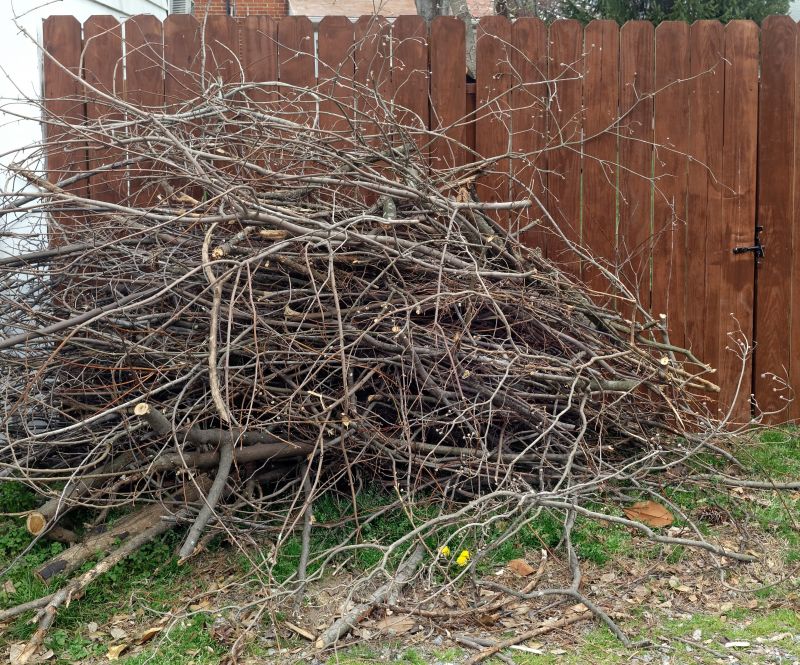
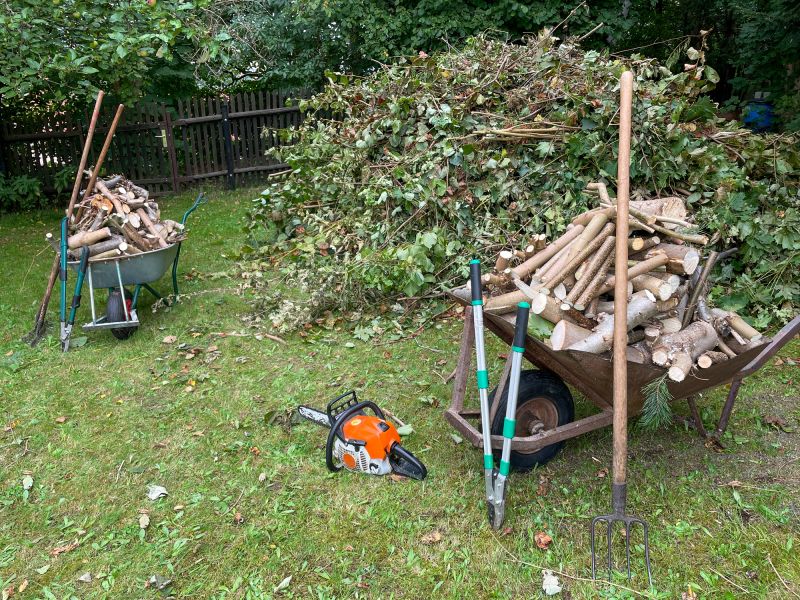
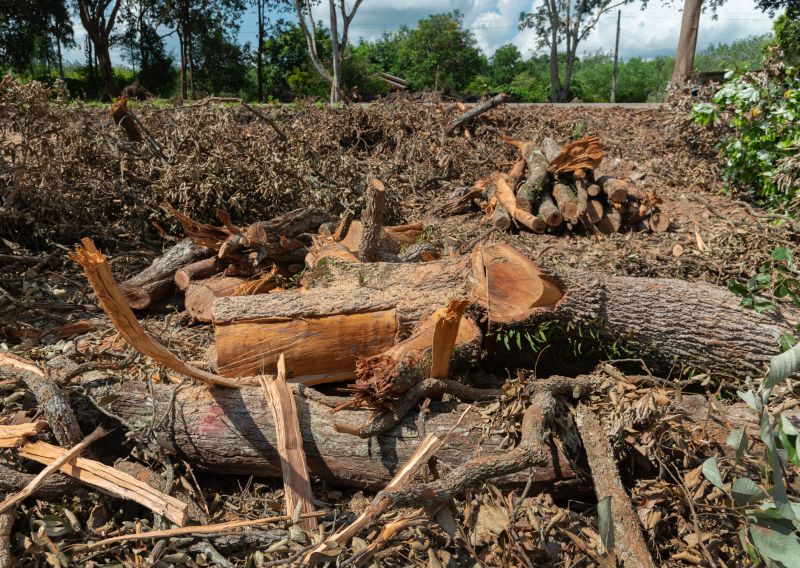
Dead tree removal services involve the careful assessment and removal of trees that are dead, decaying, or posing safety hazards. These services typically include the complete cutting and extraction of the affected tree, ensuring that the surrounding landscape remains undamaged. Professionals often use specialized equipment and techniques to safely dismantle the tree, especially in tight spaces or near structures. The goal is to eliminate potential risks such as falling branches or the entire tree collapsing unexpectedly, which can cause property damage or injury.
This service helps address a variety of problems associated with dead or dying trees. Over time, dead trees can become unstable, increasing the likelihood of falling limbs or the entire tree falling unexpectedly, especially during storms or high winds. Additionally, dead trees may attract pests and diseases that can spread to healthy trees nearby. Removing these trees can prevent property damage, reduce liability concerns, and improve the overall safety of a property. In some cases, dead trees may also be an eyesore, affecting the aesthetic appeal of a landscape.
Properties that commonly utilize dead tree removal services include residential yards, commercial complexes, parks, and public spaces. Homes with mature trees often require periodic assessments to identify dead or hazardous trees that need removal. Commercial properties, especially those with outdoor seating or foot traffic, may prioritize tree removal to ensure safety and compliance with local regulations. Public parks and recreational areas also benefit from regular tree maintenance, including the removal of dead or hazardous trees to protect visitors and maintain a healthy environment.
Professional dead tree removal services are essential for maintaining the safety and appearance of various property types. By engaging experienced local providers, property owners can ensure that hazardous trees are safely and efficiently removed, reducing the risk of accidents and property damage. These services are tailored to meet the specific needs of each property, whether it involves small residential yards or large commercial landscapes, helping to preserve safety and curb appeal.
The overview below groups typical Dead Tree Removal projects into broad ranges so you can see how smaller, mid-sized, and larger jobs often compare in West Milford, NJ.
In many markets, a large share of routine jobs stays in the lower and middle ranges, while only a smaller percentage of projects moves into the highest bands when the work is more complex or site conditions are harder than average.
Cost Range - Dead tree removal services typically cost between $200 and $1,000 per tree, depending on size and location. For example, small trees may be closer to $200, while large, mature trees can reach $1,000 or more.
Factors Influencing Cost - The overall price depends on tree height, diameter, and accessibility. Trees in hard-to-reach areas or with complex removal requirements tend to incur higher costs.
Average Pricing - On average, homeowners in West Milford, NJ, can expect to pay around $500 for standard dead tree removal. Costs may vary based on local contractor rates and specific project details.
Additional Expenses - Extra charges may apply for stump grinding, debris removal, or permits, which can add several hundred dollars to the total cost. These factors should be discussed with local service providers during consultation.
Actual totals will depend on details like access to the work area, the scope of the project, and the materials selected, so use these as general starting points rather than exact figures.
Dead Tree Removal services involve safely removing trees that have died or are no longer healthy, preventing potential hazards to property and safety.
Professionals in dead tree removal can assess the condition of hazardous trees and execute appropriate removal techniques to mitigate risks.
Local contractors may also provide stump grinding and disposal services as part of dead tree removal projects.
Dead tree removal is often necessary in situations where trees pose a threat to structures, power lines, or public safety.
Experts in this field use specialized equipment to efficiently and safely remove dead or decaying trees from residential and commercial properties.
Contacting local pros for dead tree removal can help ensure the job is completed safely and in accordance with property regulations.
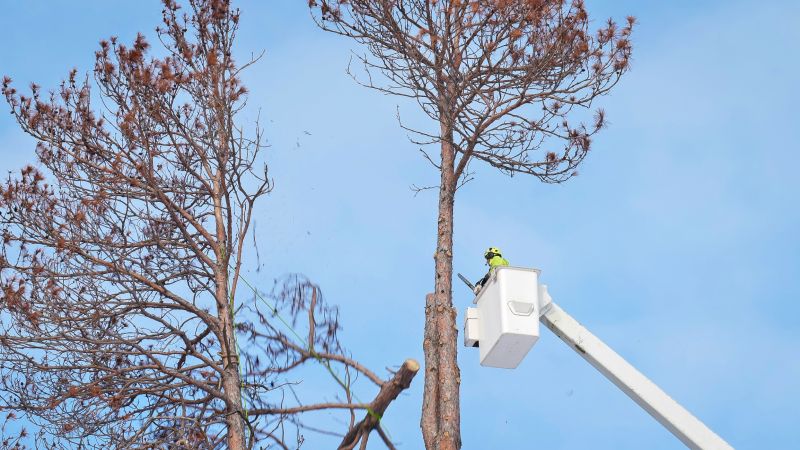
When selecting a professional for dead tree removal, it’s important to consider the experience of the local service providers. Established contractors often have extensive knowledge of tree removal techniques, local regulations, and common challenges specific to West Milford, NJ area. Homeowners can benefit from reviewing the background of potential providers to ensure they have a history of safely and effectively handling similar projects, which can contribute to a smoother process and satisfactory results.
Clear communication and written expectations are essential when working with tree removal specialists. Reputable local pros typically provide detailed estimates, scope of work, and service agreements that outline what is included in the project. This transparency helps homeowners understand the services being offered and ensures everyone is aligned on the process, reducing the risk of misunderstandings or surprises during the job.
References from previous clients and reputable sources can serve as valuable indicators of a contractor’s reliability and quality of work. Homeowners are encouraged to seek out local pros with positive references or reviews, as these can provide insights into their professionalism, timeliness, and overall service quality. Since this platform introduces local options rather than acting as the contractor, it’s recommended to contact multiple providers to compare their experience, communication style, and reputation before making a decision.
Property owners in West Milford, NJ use Dead Tree Removal services for practical projects around their homes and businesses. The sections below highlight everyday jobs and straightforward project options.
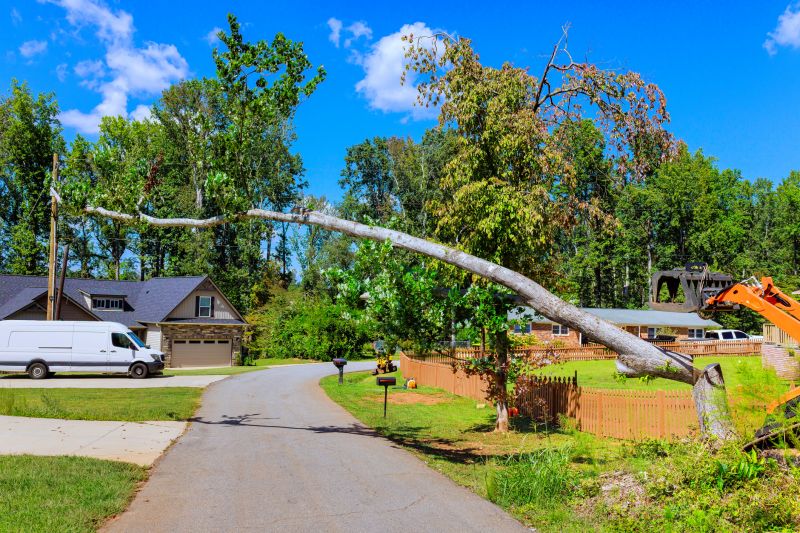
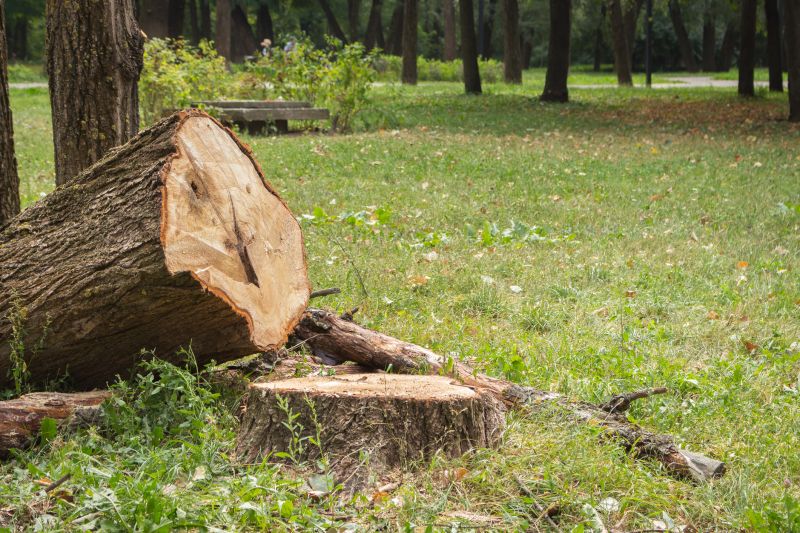
Dead tree removal services are commonly sought by property owners in West Milford, NJ, who need to address trees that have become hazardous or unsightly. Fallen or damaged trees can pose safety risks to people and nearby structures, especially after storms or high winds. Additionally, dead or dying trees may interfere with landscaping plans or block views, prompting residents to seek professional removal to improve the appearance and safety of their properties.
Property owners may also look for dead tree removal when trees are crowding other vegetation or encroaching on utility lines. Overgrown or decayed trees can cause damage to fences, driveways, or foundations if they are left unmanaged. Local service providers can assist with safely removing these trees to prevent further issues and maintain the overall health and aesthetics of the property.
What is dead tree removal? Dead tree removal involves the process of safely taking down trees that are no longer living or pose a risk to property or safety.
Why should I consider removing a dead tree? Removing a dead tree can prevent potential hazards such as falling branches, property damage, or injury to people nearby.
How do local pros handle dead tree removal? Professionals typically assess the tree’s condition, then use specialized equipment and techniques to safely remove it from the property.
Is dead tree removal necessary for all dead trees? Not all dead trees require removal; a professional can evaluate whether removal is recommended based on the tree’s location and condition.
What should I do to prepare for dead tree removal services? It’s helpful to clear the area around the tree and inform the service provider of any access issues or nearby structures.
Dead Tree Removal Services - Local tree care providers offer dead tree removal to help maintain safety and property value.
Hazard Assessment - Professionals can evaluate whether a dead tree poses risks and recommend appropriate removal options.
Stump Grinding and Cleanup - Removal services often include stump grinding and debris cleanup to restore the landscape.
Emergency Dead Tree Removal - Rapid response options are available for trees that pose immediate safety concerns.
Considering Dead Tree Removal for a property in West Milford, NJ? The sections above highlight common project types, practical options, and details that often shape the scope of work.
When you are ready, use the quote form to share a few details about your project. Local pros can review the basics and respond with options that match what you have in mind.